


Conviene offrire il tax free a un piccolo negozio italiano?
tax-free-per-piccoli-negozi-italia


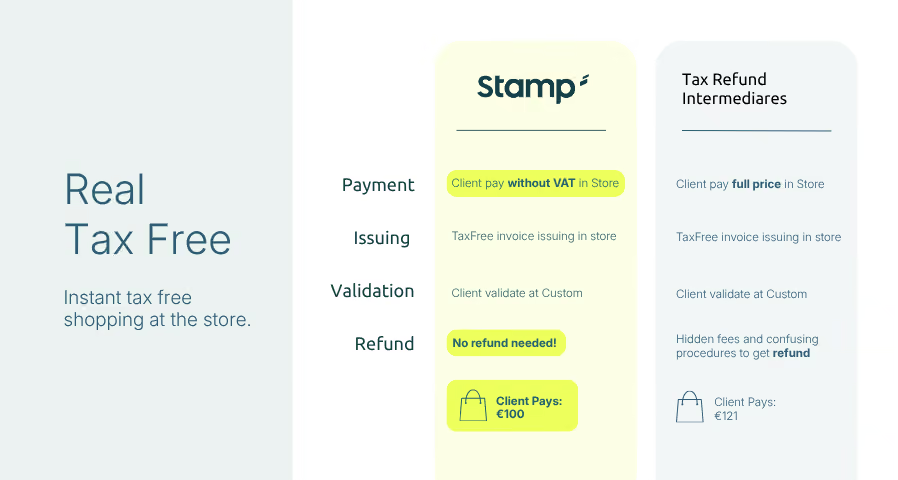
La differenza principale riguarda il momento in cui il cliente ottiene il vantaggio fiscale. Con il rimborso IVA tradizionale, il cliente paga il prezzo pieno in negozio e chiede il rimborso dopo la convalida doganale. Con STAMP Real Tax Free, il cliente idoneo paga direttamente il prezzo senza IVA al momento dell’acquisto. In entrambi i casi restano necessari i requisiti previsti dalla normativa e la convalida dell’uscita della merce dall’Unione Europea.
Nel modello tradizionale, il cliente anticipa l’IVA e la recupera in un secondo momento. Nel modello Real Tax Free, l’IVA viene detratta alla cassa, quindi il cliente vede subito il prezzo al netto dell’IVA.
Il termine “Tax Free digitale” non indica sempre lo stesso modello. Alcuni servizi digitalizzano l’emissione della fattura o la richiesta di rimborso, ma lasciano invariato il pagamento anticipato dell’IVA. In questo articolo, per Tax Free digitale intendiamo il modello STAMP Real Tax Free, che applica l’esenzione al punto vendita per i clienti idonei.
Con il modello tradizionale, il cliente:
Se il rimborso è gestito da un intermediario, l’importo restituito può essere ridotto dalle commissioni del servizio. L’Agenzia delle Dogane e dei Monopoli chiarisce inoltre che il rimborso non viene effettuato dagli uffici doganali: la dogana convalida l’uscita della merce, mentre il rimborso viene gestito dal venditore o dall’intermediario secondo il modello applicato.
Con STAMP Real Tax Free, il flusso cambia:
Il cliente non deve attendere un rimborso successivo per ottenere il vantaggio sul prezzo. La convalida doganale resta necessaria: conferma che la merce ha lasciato l’Unione Europea secondo le regole applicabili.
Nel flusso STAMP, la carta del cliente può essere pre-autorizzata come garanzia dell’IVA fino alla convalida. Le condizioni operative e gli eventuali addebiti vengono comunicati al cliente prima dell’acquisto. Tutti i passaggi sono descritti in Come funziona il Real Tax Free.
La digitalizzazione cambia il flusso operativo, non i requisiti di idoneità. In Italia, secondo le indicazioni dell’Agenzia delle Dogane e dei Monopoli, il beneficio riguarda in generale viaggiatori residenti o domiciliati fuori dall’Unione Europea e beni destinati all’uso personale o familiare.
Tra gli altri requisiti indicati dall’ADM:
In Italia, il sistema OTELLO dell’Agenzia delle Dogane e dei Monopoli digitalizza il visto doganale sulle fatture Tax Free elettroniche; la stessa pagina riporta i requisiti aggiornati.
Per il cliente, il modello Real Tax Free rende visibile il risparmio al momento dell’acquisto e non richiede di attendere una restituzione successiva. Il cliente deve comunque essere idoneo, fornire i dati richiesti e completare la convalida doganale.
Per il commerciante, la scelta dipende dal flusso operativo, dal livello di integrazione con il POS, dalla gestione del rischio e dagli obblighi applicabili. Il modello digitale può ridurre i passaggi manuali alla cassa, ma non sostituisce la corretta identificazione del cliente, l’emissione della fattura o la convalida all’uscita. Il commerciante resta responsabile del proprio processo legale e fiscale.
Per le domande su idoneità, dati richiesti e convalida, consulta la FAQ Tax Free di STAMP.
Per vedere il processo completo, visita Come funziona il Real Tax Free.

